Tuk-Tuk Tour (Wine Tour), Saint Emilion
100% electric and 100% silent, the infamous tuk-tuk comes to Saint Emilion to take you on a tour or the town and the vineyards that surround it.

© Hostellerie de Plaisance, Saint-Emilion

© Hostellerie de Plaisance, Saint-Emilion

© Hostellerie de Plaisance, Saint-Emilion
At the heart of the famous medieval city of Saint Emilion
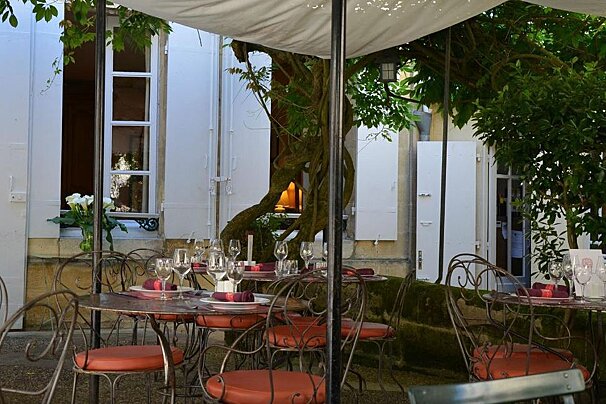
The Hostellerie de Plaisance is an unusual and unique place, offering surprising perspectives on the village’s architecture and the edges of the vineyard landscapes.
The hotel offers rooms and suites nestled in exceptional surroundings. The serene atmosphere, elegant and understated decoration, the quality of the materials and comfort call for a meditative rest.
The rooms, wide and full of day light, are tastefully furnished, the chest drawers and writing desks mingle, walls are carpeted with generous flowers or fine stripes brightened by lively dots, the atmosphere is soft and muted.
100% electric and 100% silent, the infamous tuk-tuk comes to Saint Emilion to take you on a tour or the town and the vineyards that surround it.
After discovering the city of Saint Emilion this train tour takes you out into the countryside and surrounding vineyards to discover more about the history and culture of wine in this region.
This elegant and sophisticated two Michelin star restaurant offers creative dishes designed by chef Cédric Béchade, who plays with colours and textures in his cuisine.
This restaurant is located in the Château Troplong Mondot, a large estate on the top of a hill with a winery that produces a 1er Grand Cru Classé. They serve traditional French cuisine with creative contemporary touches.
Offering a generous choice of traditional French dishes and a large wine selection, this restaurant is located in the heart of the picturesque town of Saint-Émilion. Diners can be accommodated in its intimate dining room, its small terrace, or a special table in its wine cellar carved out of the rock.
Founded in 1848, this restaurant is one of the oldest in the town of Saint-Émilion, a UNESCO World Heritage site. French creative cuisine is served in its terrace and three dining rooms, accompanied by wines from the region.
A protected natural reserve with wild marshes, sand dunes and pine forests, this huge body of water is perfect for outdoor activities such as sailing, swimming, water skiing, windsurfing, canoeing, fishing, kite surfing, paddle boarding, or walking and biking along the trails and cycle paths that line the shores of the lake.
A small, peaceful and tranquil beach that is situated at the entrance to the marina and is the most sheltered of all the beaches around Arcachon due to its location within the basin.
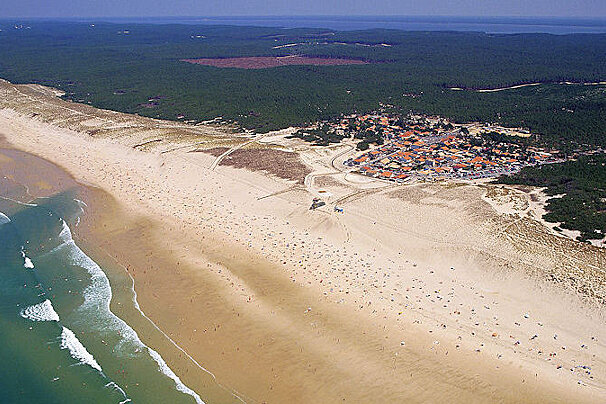
Over time, the wind and ocean currents have gradually created a wall of sand dunes, behind which streams and rivers have allowed the formation of lakes and freshwater ponds.
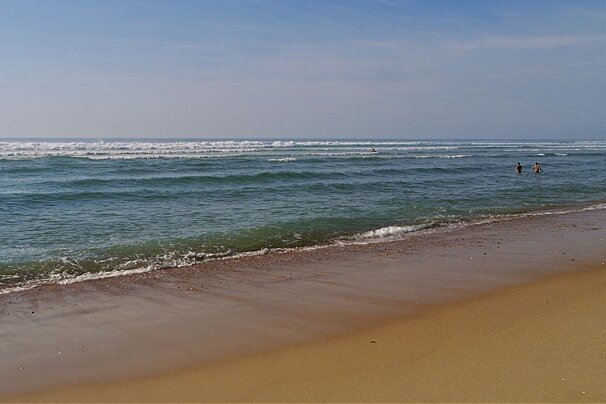
Le Porge beach is also known for its large waves and strong undertow, even if the rescuers are not far away, you must remain cautious as you would for many of the ocean beaches.
An 800m strip of white sand situated between the Theirs and Eyrac piers this beach is very much in the Arcachon basin and sheltered from the strong Altlantic winds on the coast.
Backed by the small town of Carcans Océan, this white sand beach on the western Atlantic coast is a popular surf spot.
A 'tertre' is a hillock or mound of earth and Saint Emilion has successfully adapted itself by shaping the town around its 'tertres'.
This square sits in the heart of saint Emilion and is home to the old market hall as well as the entrance to the Eglise Monolithe.
At 68 metres above the ground, looking down on the rooftops of the medieval town, take a deep breath and enjoy the 360° panoramic view of the most famous wine appellation.
Although the timber facade of this house in Saint Emilion dates from the 16th-century, the foundations were built even earlier than that.
This church, sited in the higher part of Saint-Emilion town, is incredible underground feat, carved out of the rock over three centuries.
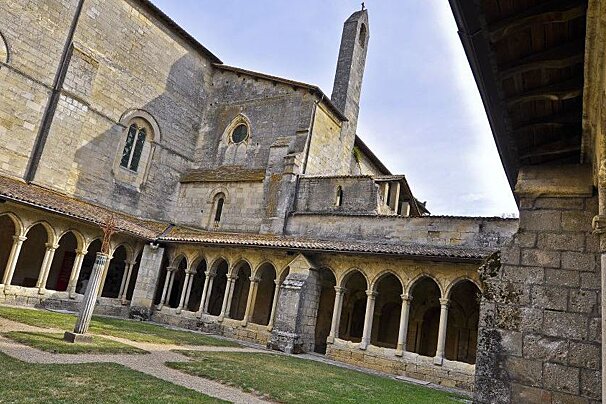
Built between the 12th & 15th centuries, this church is one of the largest in Gironde. It's design is both Romanesque and Gothic, showing how it has been remodelled and renovated throughout history.
Vineyards were planted around this old town in Roman times and whilst most people associate the name with the wine, the town itself is worth a visit for its ramparted old centre with interesting Romanesque churches and an incredible underground monolithic church.
You get a sense of this town's history as soon as you arrive, with are flags and coats of arms lining the roads that lead you to the main square.
It has the typical square layout around a central market square that is common with towns of that time and they still hold a market there on Tuesday mornings. It's a good example of a bastide town; these towns were established mainly as commercial centres, encouraged by incentives set down in a charter.
Sainte-Foy-la-Grande sits on the south bank of the Dordogne river. This attractive walled bastide town still has some of its medieval houses and is a good base for visiting the surrounding Sainte-Foy-Bordeaux wine region and nearby Château de Montaigne, home of Michel de Montaigne.
This hilly town used to be the second largest in the region during medieval times, and it's home to the oldest town hall in France dating back to the 12th century.
The pretty town of Saint-Macaire is a good base for seeing the area around Langon. It dates back to the 1st century AD and grew as a battlement town in the first half of the last millennium.