Bordeaux City Tour
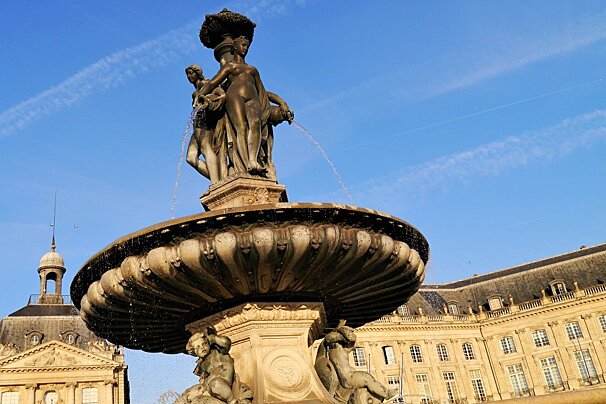
Take in Bordeaux’s historic landmarks and modern highlights on a hop-on hop-off double-decker bus tour with panoramic views and audio commentary for all ages.

© La Halte Montaigne
Located on a quite street close to the train station
Right in the heart of Bordeaux, the Halte Montaigne is ideally located five minutes away from the tramway and St Jean’s station. This lovely XIXth century residence, entirely renovated, is made to appeal seduce you, in every way.
The spacious living rooms/spaces, the peace of the garden and the contemporary zen-like decoration by Olivia Domaine will be source of well-being.
The house is entirely air conditioned and provided with a free WiFi connection. Breakfast will be served under the covered terrace, opened up to the garden.
Take in Bordeaux’s historic landmarks and modern highlights on a hop-on hop-off double-decker bus tour with panoramic views and audio commentary for all ages.
As it passes through the oldest parts of Bordeaux, making the most of the landscape, the train takes you past the most famous places and monuments of the city.
Created in 1989, the Golf du Médoc offers 2 remarkable 18-hole courses: Les Châteaux and Les Vignes.
With over 1000 animals to meet, from around 75 different species, from the very smallest, all the way up to the largest breeding camels in France.
With a varied and interesting mix of wildlife, you can learn about the animals, conservation and about the zoo's research projects, whilst walking amidst the enclosures.
Designed as a public green space in the 19th-century, this 28-hectare historical park is home to around 3000 trees, 1000 of which are more than a century old.
Situated in the luxurious surroundings of Le Grand Hotel de Bordeaux, this restaurant offers diners an elegant yet intimate restaurant styled in a palette of mauve and orange with a handcrafted marquetry floor.
Chef Nicolas Masse offers in this restaurant a combination of traditional French cuisine, made with fresh seasonal ingredients from the southwest sourced from local producers, with unusual influences from all around the world. His creations can be paired with a large selection of wines, by the counsel of head sommelier Aurélien Farouil.
Situated in a gorgeous white stone townhouse built in the classical style of the late 19th century, this restaurant is part of the joint project of Bernard Magrez, owner of various wineries in the Bordeaux area, and Pierre Gagnaire.
This restaurant serves classic French dishes made with fresh, seasonal ingredients, revisited by a Japanese chef. Their dining area is simple and elegant, and their menu changes daily for lunch and every two weeks for "à la carte".
Boasting one Michelin star, this restaurant offers two tasting menus and "a la carte" dining. Its garden and terrace, along with a peaceful eating area, provide a welcoming atmosphere to enjoy the cuisine of chefs Denis and Nelly Franc.
Enjoying an enviable location by the quay on the river Garonne, this small restaurant displays a light and warm dining area complete with a sunny terrace. Its menu comprises simple dishes made with fresh ingredients.
One of the best places to taste wines from the Bordeaux region. Located on the ground floor of the headquarters of the Conseil Interprofessionel du Vin de Bordeaux, the bar's team is very knowledgeable and passionate. They give tasting advice, extensive information on the grapes and suggestions for matching food and wine.
A diverse music programming that showcases some of the best local and national talent in jazz, music of the World, blues and many other expressions.
Situated at the foot of the historical Porte Cailhau, this bar has a list of more than 100 wines. They are focused on international products as well as some lesser-known wines from Bordeaux.
Centrally located, this bar offers a large selection of wines, especially French but also from other parts of the world. Customers can taste them through a self-service method, and they can be accompanied by regional delicatessen.
This bar has an old-fashioned decoration that creates a very warm atmosphere. Their wine list includes many French references, as well as from other parts of the world. They can be enjoyed in their cosy interior or the patio, accompanied by selections of local delicatessen.
A small, peaceful and tranquil beach that is situated at the entrance to the marina and is the most sheltered of all the beaches around Arcachon due to its location within the basin.
An 800m strip of white sand situated between the Theirs and Eyrac piers this beach is very much in the Arcachon basin and sheltered from the strong Altlantic winds on the coast.
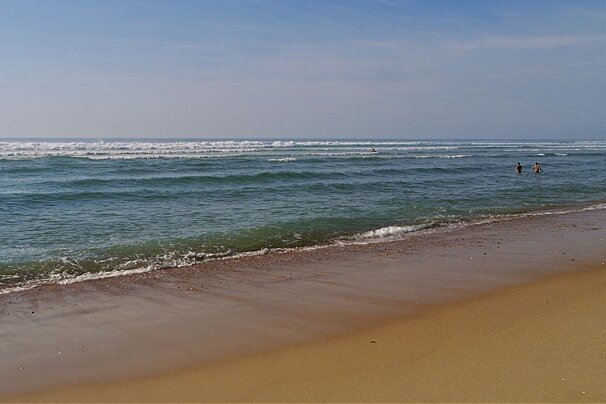
Le Porge beach is also known for its large waves and strong undertow, even if the rescuers are not far away, you must remain cautious as you would for many of the ocean beaches.
This is by far the largest and better known of the Arcachon beaches, stretching some 3km in length with wonderful views over to the chic town of Cap-Ferret and the peninsula beaches.
Beach Grand Crohot Lege is accessible by walkways throughout the year, and is supervised by lifeguards from mid June to mid September.
A wide walkway and promenade borders this beautiful beach. There are numerous things to do including games for children, surfing, beach volleyball and of course it's a great setting near the doors to the Atlantic ocean.
The existing Roman Catholic church was built in the late 11th and early 12th century in a Romanesque style. However, it is thought that the original Benedictine church was built at the request of Clovis, the Merovingian King in the 5th century.
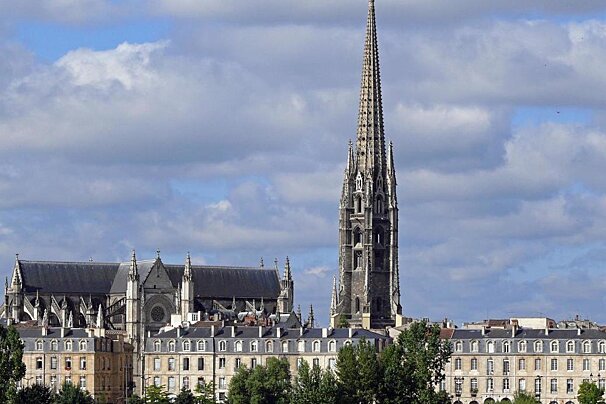
Imposing on the Place Canteloupe in Bordeaux, this Gothic church took over 200 years to construct from the 14th to the 16th century.
Crossing the Garonne river, the Pont de Pierre or "stone bridge" was the first to span this expanse of river in Bordeaux.
This excellent museum recounts the history of Bordeaux and the Aquitaine region from prehistoric times through to the 20th century.
This medieval city gate commemorates the French victory in the battle of Fornovo in Italy.
Flanking the Cathédrale Saint-André, this tower (and the square in which it sits) is named after the Archbishop Pey-Berland.
The small village of Margaux, just north of Bordeaux, is most famously associated with the wine châteaux which produce the excellent Margaux appellation Médoc wines.
Vineyards were planted around this old town in Roman times and whilst most people associate the name with the wine, the town itself is worth a visit for its ramparted old centre with interesting Romanesque churches and an incredible underground monolithic church.
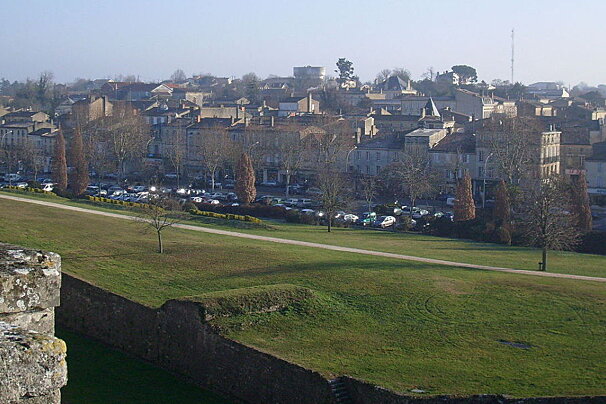
The town of Blaye is situated on the right bank of the Gironde estuary. Its major historical feature is its fortified citadel, which along with Fort Médoc and Fort Paté make up a trio of fortresses designed to defend Bordeaux against a river attack.
On the left bank of the Garonne, 50km inland, south east from Bordeaux, Langon is perfectly located for visiting the impressive Château de Roquetaillade and sampling the Sauternes wines to the east and the Entre-Deux-Mers wines to the north.
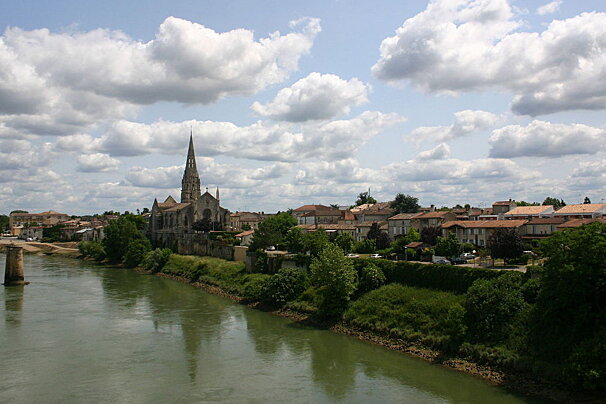
The pretty town of Saint-Macaire is a good base for seeing the area around Langon. It dates back to the 1st century AD and grew as a battlement town in the first half of the last millennium.
It has the typical square layout around a central market square that is common with towns of that time and they still hold a market there on Tuesday mornings. It's a good example of a bastide town; these towns were established mainly as commercial centres, encouraged by incentives set down in a charter.